Department of Biomedical Waste
Collection, transportation ,disposal management of hospital’s Non‐ biological waste, (not intended for use) and Bio Medical Waste (BMW) generated during diagnosis, treatment , immunization , research activities is always as per comprehensive guidelines for operation of Common Bio-medical Waste Treatment and Disposal Facilities (CBWTF) for BMW from multiple healthcare facilities collection ,, transport, treatment, and safe disposal as per Central Pollution Control Board (CPCB) , Ministry of Environment and Forests, Government of India, mandatory under Bio-medical Waste Management (BMWM) Rules, Maharashtra State Pollution board (MSPB) ensuring no adverse effect to public health environment.
BMW includes vaccination camps, blood donation camps, surgical camps or any other healthcare activity also. Pre-treatment of the laboratory waste, microbiological waste, blood samples and blood bags through disinfection or sterilization on-site is as prescribed by WHO or NACO, following Bar-Code System for bags or containers containing BMW for disposal. Solid Waste is segregated in colour code bins as prescribed action taken as per the planned system. Colour coded bins, bags and needle destroyers are used in wards, laboratories, outpatient , wards, operation theatres etc as classified in to 4 categories Yellow with most of solid liquid waste Red Contaminated waste tubing, bottles, intravenous tubes and sets, catheters, urine bags, syringes (without needles) and gloves which need autoclaving/microwaving /hydroclaving before recyling White sharps including metals Blue GlasswareThere is in house system for Liquid Waste Management (LWM) with Effluent Treatment Plant (ETP)for treatment of highly infectious liquid waste with chemical and biological treatment followed with disinfection. Pipes from infectious LW generated from laboratories, operation theatres and laundry are connected with ETP through underground system
Sewage water collection and disposal facility with underground drainage line connected with chambers, septic tanks, soakage pits of all sewage generating areas, wards of hospital, hostel campus, residential campus and offices etc., is followed with Sewage Treatment plant (STP). All sewage water is treated in STP used for agriculture. Physical chemical analysis of treated water is done on regular basis as per norms. Obsolete information technology (IT) equipment that can no longer be used or repaired are condemned through scraping or recycling by bioengineering department. Hazardous chemicals, radioactive waste t from radiology and radiotherapy departments is managed as per radiation safety guidelines prescribed by Atomic Energy Regulatory Board (AERB) for radiation safety.
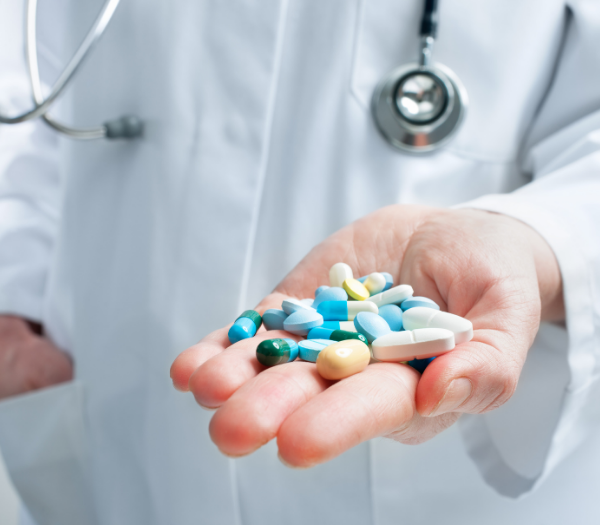
Modern technology with smart systems and digital tools streamlines WM, reducing risks, ensuring proper disposal procedures. By integrating cutting-edge technology into WM workflows, errors are mitigated with cleaner, safer environment. Right digital Sensors monitor waste containers for overflows or leaks in real time from anywhere, ensuring that potential hazards are identified, including air quality and addressed immediately .Tracking waste containers, disposal equipment, and treatment systems through digital asset management systems helps in ensuring all assets are in proper condition and compliant with regulations. Automated workflows streamline collection, treatment, and disposal.

Experienced consultants offering expert care across various specialties
Read expert insights, health tips, and stories from our medical professionals.
We’re here to help—reach out with your questions or feedback.
SVKM's Tapanbhai Mukeshbhai Patel
Memorial Hospital, Kharde, Budruk,
Sirpur, Dhule - 425405
+1 5589 55488 55
info@example.com